How Humanitarian Privilege Distances Us From Those We Serve?
Naima Tahir | Strategic Resilience Specialist.
11/26/20252 min read
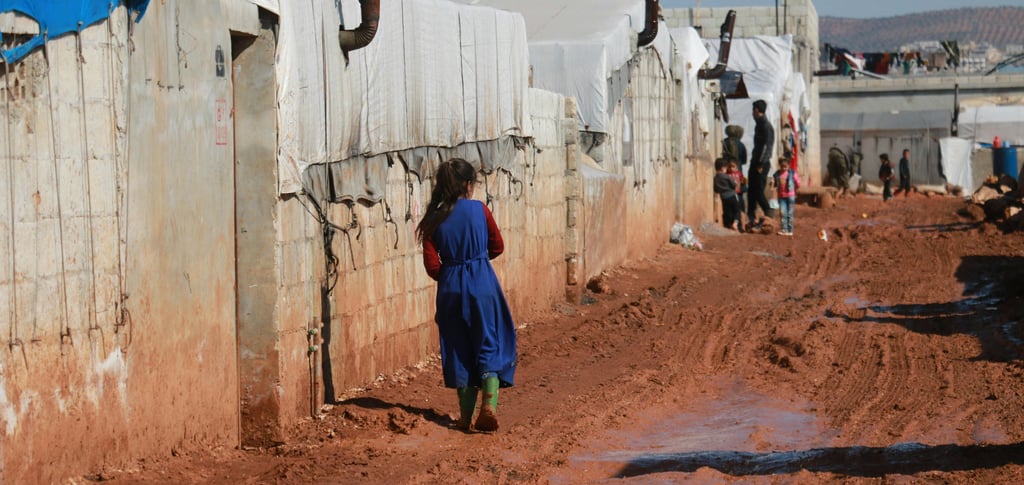
In my last article on LinkedIn, I wrote about the issue with the UN system. One comment in particular, by Deepak Menon, stayed with me. He wrote, “I became convinced that the real beneficiaries of international development are the people who work in it rather than those under whose name the monies are collected.” His words resonated because they touch on an uncomfortable truth that many in the humanitarian field feel but rarely articulate openly.
They reminded me of the significant gap between what humanitarian workers receive - through salaries, DSA, R&R benefits, and other allowances - and the reality of the people we are meant to serve. These benefits create a distance between us and communities living through crisis, and instability. We operate in their name, yet our daily experiences often bear little resemblance to theirs.
The disconnect is financial, emotional, and structural. Many humanitarian workers, especially those posted internationally, live in comfortable guesthouses, secure compounds, or hotels with amenities that are unimaginable for the communities we visit. After a day spent meeting families who sleep in tents, who struggle with extreme heat or cold, we return to rooms with running water, and reliable electricity. We sleep in safety while many of the people we serve worry about the next day’s uncertainty.
At first, this contrast hits hard. You feel guilt, discomfort, even confusion about your role and the privilege surrounding you. But gradually - almost inevitably - you adapt. The allowances and benefits become normal. They start feeling deserved, expected, and part of the job. You begin thinking more about your next RnR, your workload, and your contract renewal. The emotional proximity to the people you serve slowly fades.
This is when humanitarian work begins to lose its meaning. The focus shifts to donor obligations and internal deadlines, while the deeper questions fade: Why is the system built this way? Why does so little change despite the resources spent? How do the people at the center of our work remain on the margins? And how does suffering turn into data rather than lived experience?
Most importantly, what happens to our empathy when the structure of our work constantly cushions us from the reality we claim to confront?
When we stop feeling, we stop questioning. And when we stop questioning, humanitarian work becomes a routine - a cliché repeated in mission statements, and annual reports, but detached from the lived experience of crisis-affected communities. I am not here to blame individuals - many start with genuine compassion. The problem is structural: a system that rewards its workers far more than the people it claims to serve.
So let me leave you with this question: How does living with this contradiction reshape our sense of who we are and why we do what we do?